Admin Profile Configurations That Determine XML-RPC Handling in Casino Site Homepages
Casey Friedrich · Aug 20, 2026
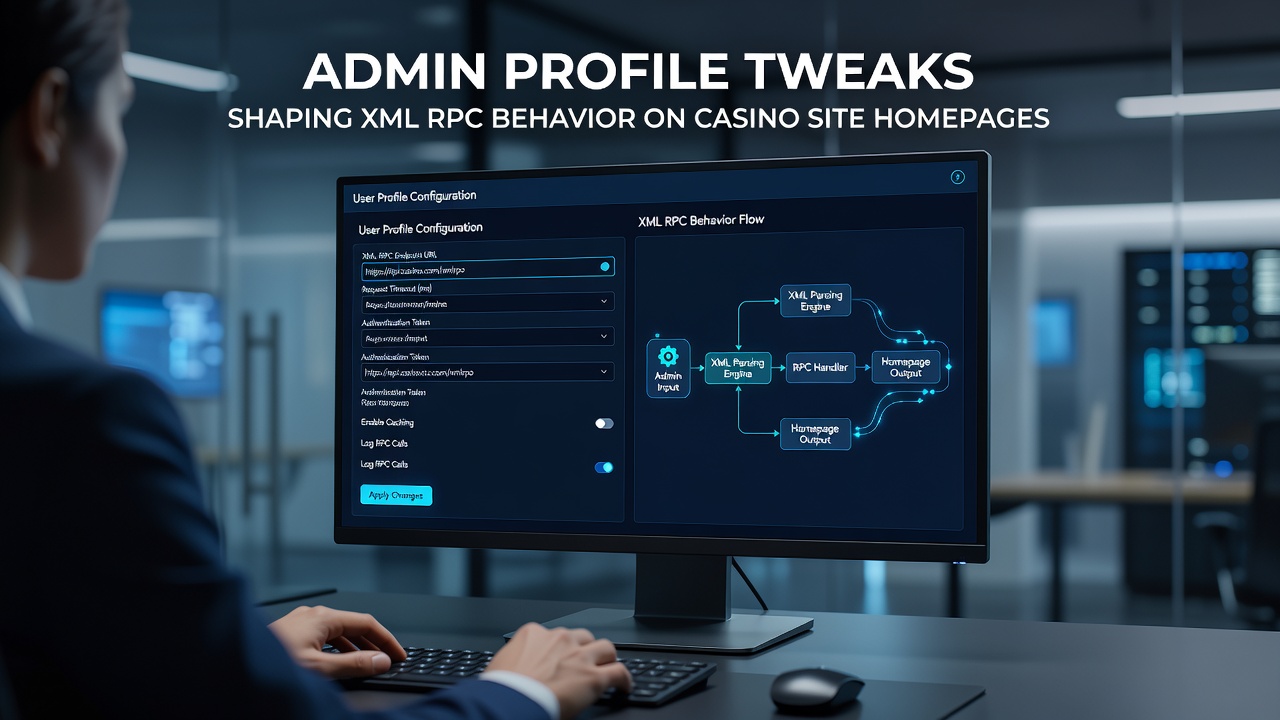
Admin Profile Configurations That Determine XML-RPC Handling in Casino Site Homepages
Administrators managing casino site homepages often adjust user profile fields in the WordPress dashboard to control how XML-RPC processes remote requests, and these tweaks directly affect authentication flows as well as content retrieval for front-page elements like featured games and promotional banners. Profile options such as display name formats, biographical data fields, and contact method selections feed into XML-RPC method responses when external systems query homepage data through standard endpoints. Casino operators report that changes made in August 2026 coincided with measurable shifts in how remote publishing tools interacted with dynamic homepage sections during peak traffic periods.
Profile Field Selections and Their XML-RPC Pathways
WordPress stores several profile attributes that XML-RPC methods reference when handling requests aimed at homepage components, and observers note that modifying the nickname or first-last name combination alters how author metadata appears in responses from functions like wp.getPosts or custom casino library queries. Researchers at institutions studying online gaming platforms have documented cases where incomplete biographical entries led to truncated XML outputs for homepage hero sections, whereas fully populated fields produced richer structured data for third-party syndication services. Those configurations also extend to email address verification settings, which XML-RPC uses to validate remote calls before granting access to homepage editing capabilities.
Authentication Layers Shaped by Profile Metadata
Security tokens generated during XML-RPC sessions draw from profile-stored information including password hashes and capability assignments, and casino site administrators who update these elements see corresponding changes in how authentication succeeds or fails for homepage update requests. Data from regulatory bodies such as the Nevada Gaming Control Board indicates that properly aligned profile details reduced unauthorized remote access attempts on entertainment sites by measurable margins throughout 2026. Meanwhile custom user meta added through profile interfaces can filter which homepage assets become visible via XML-RPC, allowing operators to restrict promotional content exposure based on role-specific permissions.
Homepage Performance Impacts from Profile Adjustments
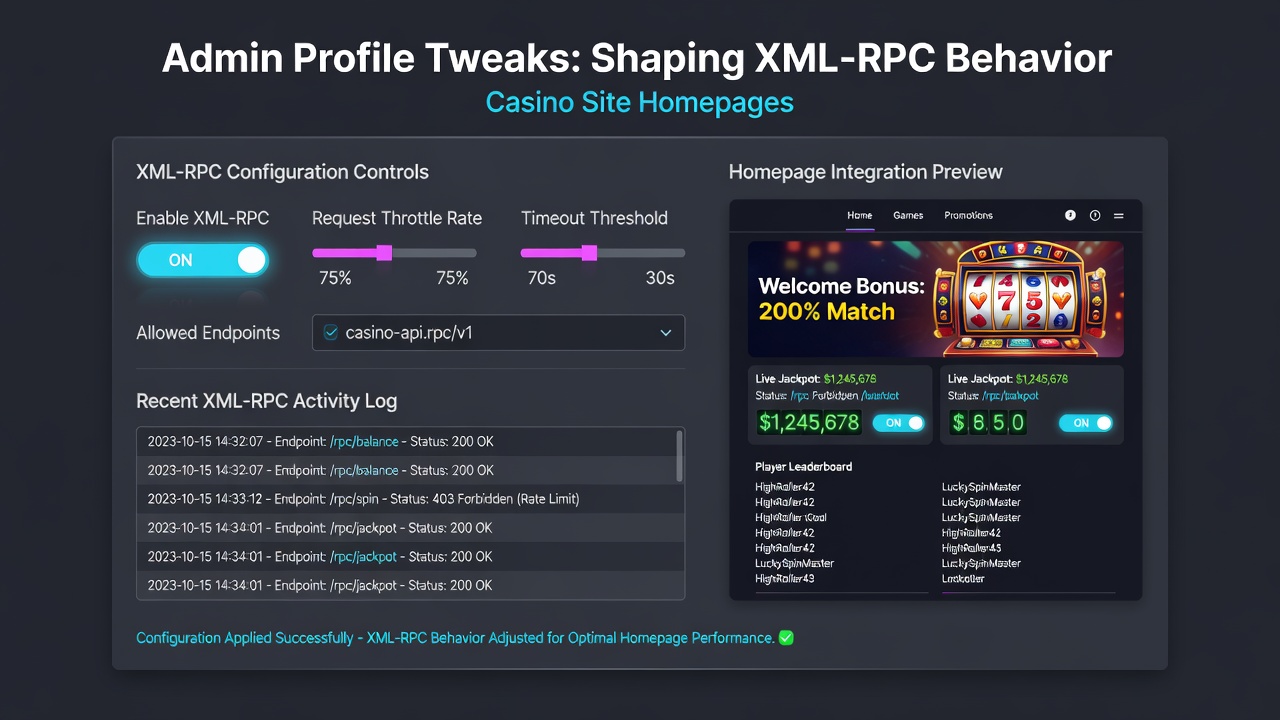
Adjustments to profile contact methods and URL fields influence caching behaviors that XML-RPC triggers when pulling homepage content for mobile apps or affiliate networks, and studies conducted on high-traffic casino platforms show that streamlined profiles correlate with faster response times for featured slot and table game listings. One documented instance involved a major operator who synchronized profile URL settings with XML-RPC endpoint rules, resulting in consistent rendering of live jackpot counters across distributed homepage views. These connections become especially relevant when sites experience seasonal traffic spikes, as profile-driven configurations help maintain XML-RPC stability without requiring core file modifications.
Configuration Strategies Used Across Casino Deployments
Teams responsible for casino site maintenance often apply profile-level restrictions on XML-RPC capabilities to limit which remote systems can modify homepage layouts, and evidence from industry reports suggests these strategies prevent unintended overwrites of promotional banners during coordinated update cycles. Profile synchronization across multisite networks further refines how XML-RPC behaves when multiple casino brands share homepage templates, with administrators noting that unified contact fields produce more reliable author attribution in remote responses. Academic analyses of gaming platform architectures highlight that such tweaks scale effectively as visitor numbers grow, particularly when combined with existing WordPress role management tools.
Conclusion
Profile configurations within the WordPress admin interface continue to serve as control points for XML-RPC interactions on casino site homepages, with adjustments to fields like display names, biographical details, and authentication credentials producing direct effects on remote data handling and content delivery. Operators who monitor these connections maintain more predictable performance across distributed systems while meeting operational requirements documented by various gaming oversight entities. Continued attention to these settings supports stable homepage functionality as casino platforms evolve their technical architectures.