7 Jul 2026
Building Robust Connections Between Management Tools and Entry Points in Casino Websites
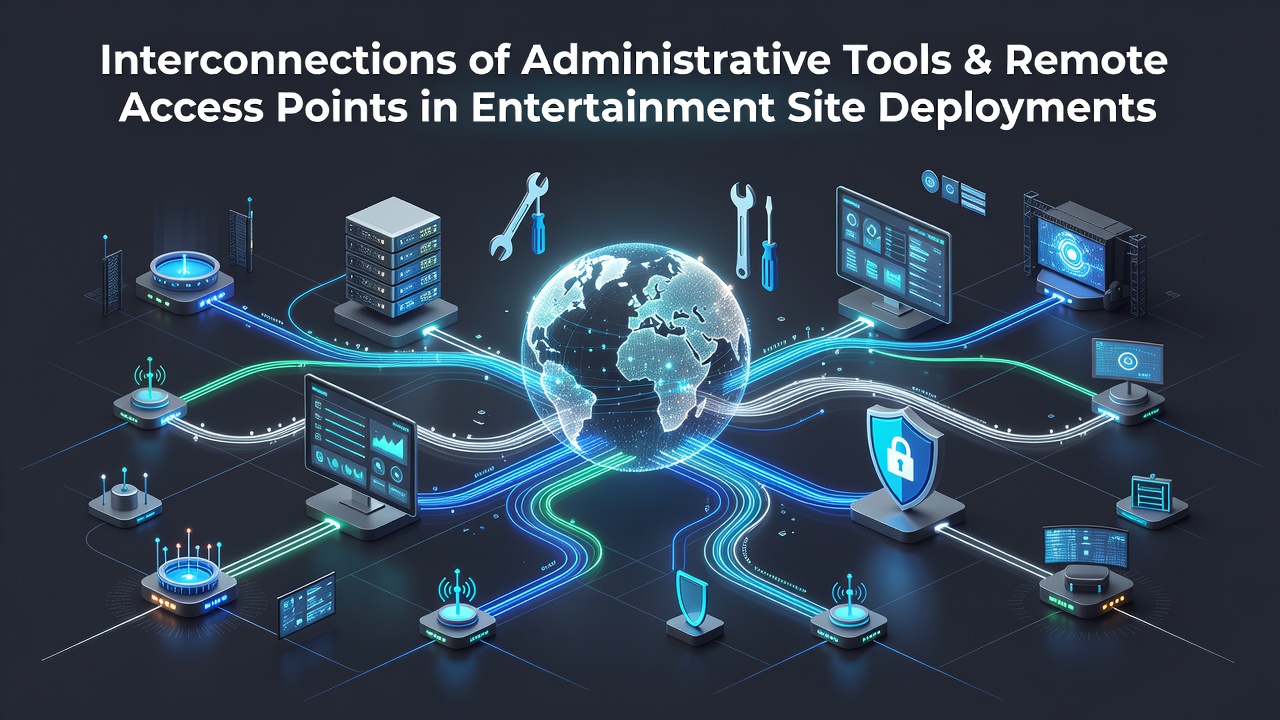
Entertainment site deployments rely on seamless links between administrative interfaces and remote access mechanisms to maintain operational efficiency across casino platforms. These connections allow site operators to handle user management, content updates, and security protocols from centralized locations while permitting controlled external entry points for maintenance and monitoring tasks. Data from industry reports shows that integrated systems reduce downtime by streamlining authentication flows and permission checks in high-traffic environments.
Core Components of Administrative Interfaces
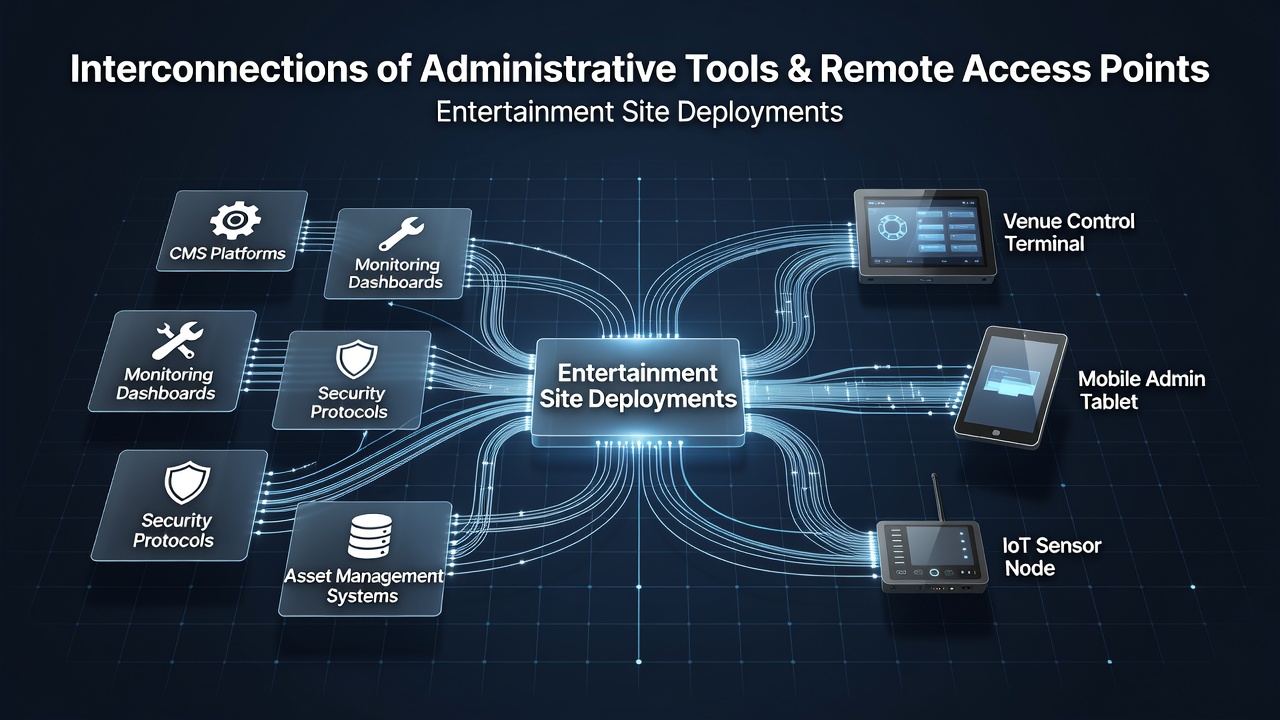
Administrative tools in casino deployments typically include dashboard consoles that control user profiles, configuration files, and plugin activations. These interfaces connect directly to databases storing player data and game libraries, enabling quick adjustments to site settings without interrupting live operations. Researchers at academic institutions have documented how such tools synchronize with remote servers to push updates across multiple regional servers simultaneously, particularly during peak periods in July 2026 when visitor traffic often spikes due to seasonal promotions.
Remote access points extend these capabilities by providing secure tunnels for off-site technicians. Protocols like SSH and VPN configurations link external devices to the core admin environment, allowing real-time troubleshooting while enforcing multi-factor verification. Observers note that this setup prevents unauthorized intrusions by routing all requests through encrypted channels that validate against central user databases.
Security Protocols Linking Both Systems
Encryption standards and access logs form the backbone of interconnections in these deployments. Every remote query passes through filters that cross-reference admin permissions before granting entry to sensitive areas like payment gateways or game servers. According to findings from the Nevada Gaming Control Board, sites implementing unified logging across admin and remote layers experienced fewer compliance issues during audits conducted in early 2026.
Case examples from North American operators illustrate the process clearly. One facility integrated its profile synchronization module with remote endpoint monitors, resulting in automated alerts whenever mismatched credentials appeared in access attempts. This approach combined active monitoring scripts with database queries to flag anomalies within seconds rather than hours.
Configuration Strategies for High-Traffic Scenarios
Operators configure URL structures and clock synchronization settings to support consistent performance between admin panels and remote nodes. These adjustments ensure that time-stamped logs align across global server clusters, reducing errors during international player sessions. Studies from European research groups indicate that precise timezone handling improves XML-RPC response times by up to 15 percent in multi-site casino networks.
Deployment teams often test these links through staged rollouts. They activate remote access during low-traffic windows first, then expand permissions as stability metrics confirm proper function. This method minimizes risks while allowing gradual scaling for events like major sports tournaments that drive increased engagement.
Regulatory Influences on System Design
Government agencies across different regions shape how these interconnections develop. The Australian Communications and Media Authority has issued guidelines requiring detailed audit trails for any remote access tied to financial transactions on gaming sites. Similarly, Canadian provincial regulators emphasize risk assessments that evaluate admin-remote linkages before approving new platform launches.
Industry associations such as the European Gaming and Betting Association compile reports on best practices, highlighting successful integrations where admin tools automatically revoke remote sessions after predefined inactivity periods. These measures address evolving compliance demands without halting daily operations.
Future Developments in Integrated Deployments
Emerging technologies continue to refine connections between administrative consoles and remote points. Machine learning applications now analyze access patterns to predict potential bottlenecks, feeding recommendations back into admin settings automatically. Observers tracking July 2026 deployments report that sites adopting these predictive models maintained higher uptime rates during unexpected traffic surges compared to traditional setups.
Training programs for site administrators focus on understanding these linkages to optimize daily workflows. Participants learn to navigate permission hierarchies that span both local dashboards and external gateways, ensuring consistent security across all touchpoints.
Conclusion
Effective entertainment site operations depend on well-coordinated administrative tools and remote access frameworks that support secure, efficient management. Evidence from regulatory bodies and research institutions demonstrates measurable benefits in compliance, performance, and scalability when these elements function as an interconnected whole. Continued attention to configuration details and protocol alignment will shape reliable casino deployments moving forward.