9 Jul 2026
Charting Information Routes in Casino Web Structures: Admin Setup Through to XML-RPC Endpoints
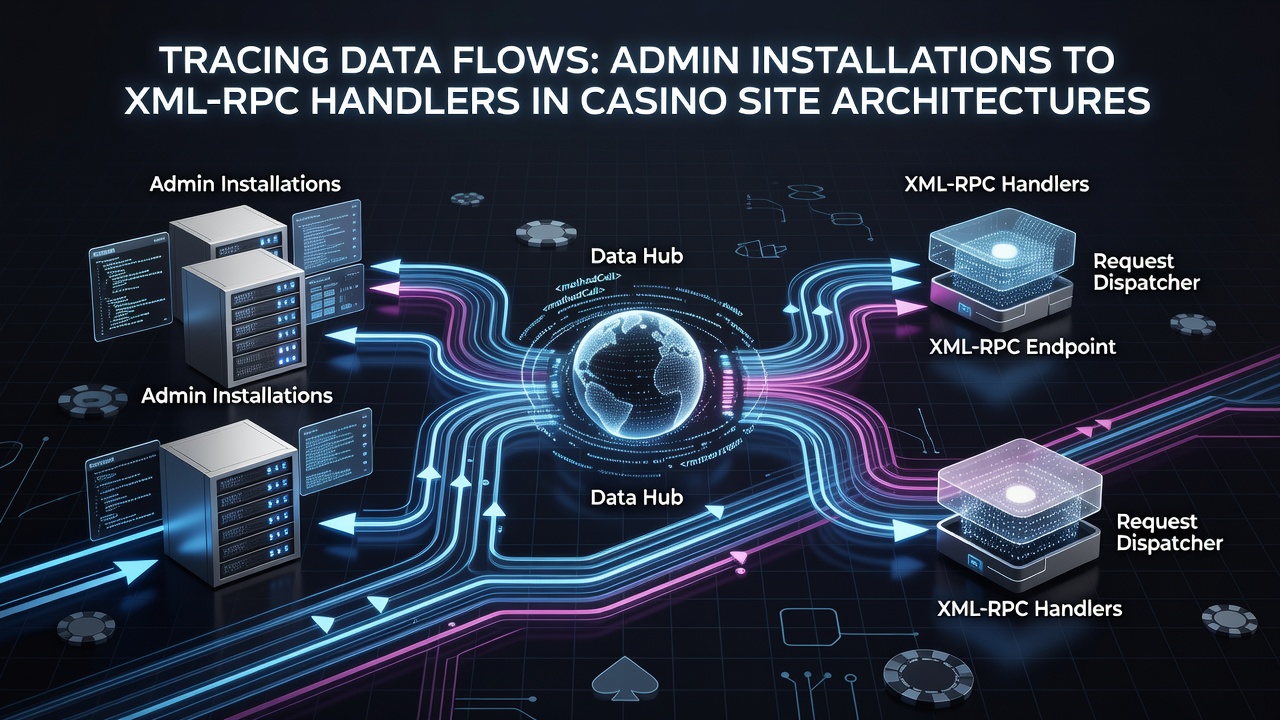
Administrators who deploy casino platforms often begin with core setup routines that initialize databases, user roles, and configuration tables, yet these same routines feed directly into remote access layers that handle external queries, and the connections between those layers deserve close examination because they shape how information moves across high-traffic gambling environments. Observers note that casino operators rely on modular architectures built around familiar content-management frameworks, where initial installation scripts establish the foundation for later communication protocols that allow plugins, mobile applications, and affiliate networks to interact with the central system without repeated manual logins.
Installation Sequences and Their Immediate Outputs
During the first stages of deployment, scripts such as the standard installation file create essential tables that store site options, user credentials, and permission hierarchies, while simultaneously registering hooks that later XML-RPC functions call upon when processing remote procedure requests. Data collected at this point includes timezone preferences, site URLs, and administrative email addresses, all of which become reference points that authentication routines consult during subsequent calls to xml-rpc.php. Researchers have documented that these early records influence how authentication tokens are validated, because the values stored during setup determine whether a remote request receives permission to execute methods such as wp.getUsersBlogs or metaWeblog.newPost.
Pathways from Admin Panels to Remote Handlers
Once the platform is live, administrators frequently update settings through the general-options screen, and each change writes directly to the database in ways that XML-RPC handlers read on every incoming request. For example, modifications to permalink structures or language settings propagate through option caches that the remote procedure layer checks before granting access to content libraries or player-profile endpoints. Studies of similar systems reveal that profile updates performed inside the admin area, including changes to display names and biographical fields, also become visible to XML-RPC methods that return user data to connected applications, creating a continuous loop where administrative actions affect remote accessibility in real time.
Security Implications in High-Volume Gambling Environments
Casino sites that experience sudden traffic increases must ensure that data originating from admin installations remains consistent with the expectations of XML-RPC handlers, because mismatches can trigger authentication failures or expose unintended endpoints. Figures from regulatory filings show that several North American jurisdictions recorded elevated scrutiny of remote-access configurations during the first half of 2026, and analysts expect continued attention through July 2026 as operators prepare for seasonal traffic peaks. Data from the Nevada Gaming Control Board indicates that platforms maintaining synchronized configuration values between installation records and handler modules experienced fewer reported access anomalies in the preceding quarter.
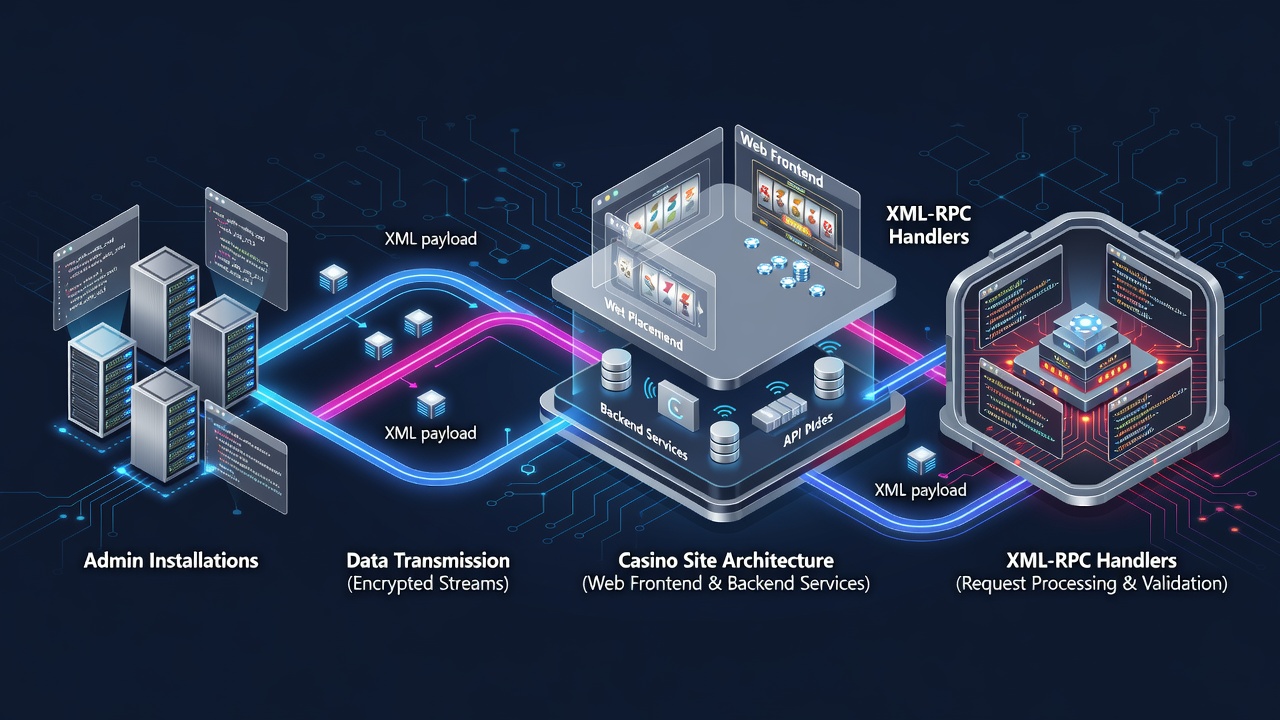
One documented pattern involves profile synchronization routines that push administrative changes to remote systems, and these routines depend on the same option tables populated during the original install process. When those tables contain outdated URL references or mismatched timezone values, XML-RPC responses may return incorrect timestamps or broken resource links, which in turn affects affiliate tracking systems and loyalty-program integrations that casino operators depend upon.
Configuration Consistency Across Distributed Components
Operators who maintain multiple casino properties often replicate installation settings across environments, yet small discrepancies in how XML-RPC handlers interpret those settings can produce divergent behavior under load. According to research published by the University of Nevada's International Gaming Institute, consistent mapping of administrative options to remote-procedure parameters reduced error rates in simulated high-traffic scenarios by measurable margins. The same report notes that clock synchronization between installation records and handler modules proved especially important for jurisdictions that require precise transaction logging, a requirement that becomes more visible during regulatory audits scheduled for mid-2026.
Practical Tracing Techniques Used by Platform Teams
Teams responsible for casino-site maintenance commonly employ database query logging combined with request tracing at the XML-RPC endpoint to follow individual data elements from their origin in the admin area to their final use in remote responses. Such tracing reveals that certain plugin hooks registered during installation remain active in the handler layer, allowing third-party modules to inject additional parameters that administrators may not have directly configured. Observers at industry conferences in 2026 have highlighted case studies where careful mapping of these hooks prevented unintended data exposure in multi-site casino networks operating across state lines.
Conclusion
Tracing the movement of configuration values from initial admin installations through database tables to XML-RPC handlers provides casino-platform teams with a clearer picture of how administrative decisions affect remote accessibility and operational stability. Continued attention to these pathways supports compliance efforts and helps maintain reliable performance as traffic patterns evolve through the remainder of 2026 and beyond.