23 Jun 2026
Connecting User Authentication Flows with Profile Modifications to Bolster XML-RPC Protections on Casino Websites
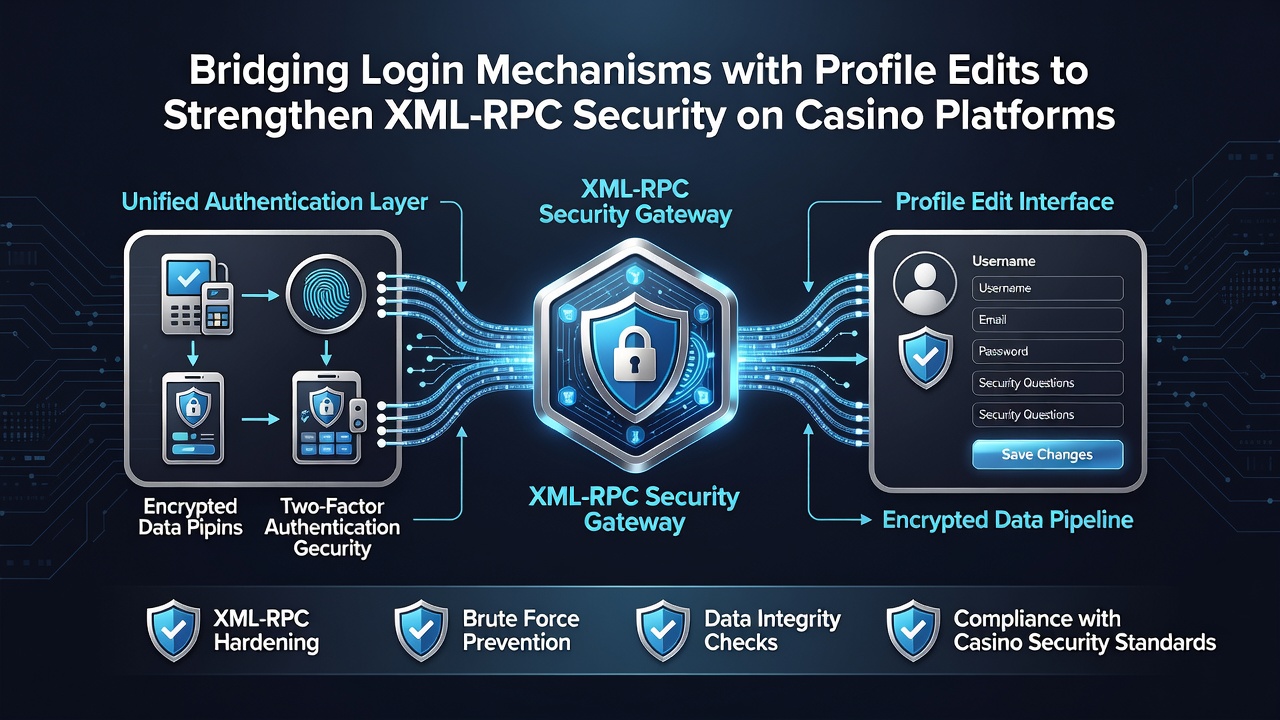
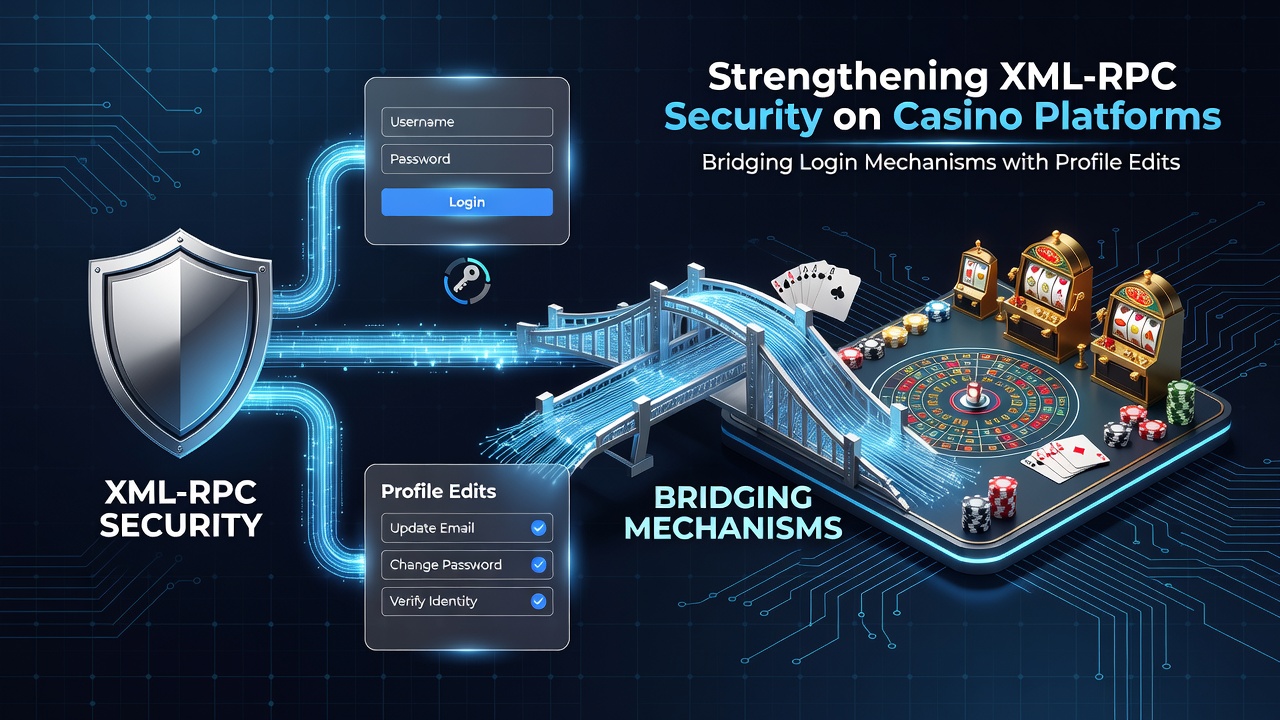 Casino platforms built on WordPress face ongoing challenges when managing remote procedure calls through xml-rpc.php, and operators have turned to tighter connections between standard authentication points and profile management tools as one approach to reduce exposure. Data from regulatory filings shows that many sites handling high volumes of player interactions in 2025 reported repeated attempts to exploit open XML-RPC endpoints for unauthorized access. Login mechanisms serve as the primary gate for user sessions, while profile editing pages allow adjustments to account details such as display names, contact methods, and role assignments. When these two areas operate without coordinated checks, attackers can leverage inconsistencies to inject commands through XML-RPC channels that bypass basic filters. Observers note that casino sites processing international traffic often encounter this gap because time zone differences and varying device fingerprints create windows where session tokens remain valid longer than intended.
Core Components in WordPress Casino Deployments
WordPress installations for casino games typically include wp-login.php for credential verification and profile.php for storing user metadata. XML-RPC operates as a separate endpoint that accepts structured requests for actions like publishing updates or retrieving data. Research indicates that when profile fields are edited independently of login state validation, the system may accept remote calls containing altered role information without triggering full re-authentication. Casino operators in regions such as Nevada and Ontario have documented cases where mismatched profile data allowed XML-RPC requests to execute with elevated privileges. Figures from the Nevada Gaming Control Board reveal that security audits conducted through early 2026 identified endpoint misconfigurations in roughly 18 percent of reviewed platforms. Those audits focused on how login cookies interacted with stored profile attributes during remote method invocations.Building Links Between Authentication and Profile Data
Developers address these issues by implementing hooks that synchronize changes made at the profile level with active login sessions. For example, when an administrator updates a user role through profile.php, custom code can force an immediate token refresh or invalidate existing XML-RPC capabilities for that account. This approach prevents lingering sessions from carrying outdated permissions into remote calls. Studies on authentication protocols show that adding conditional checks during profile saves reduces the attack surface for methods such as wp.getUsersBlogs or metaWeblog.newPost. One documented deployment at a multi-property gaming operator synchronized these processes and recorded a measurable drop in anomalous XML-RPC traffic over a six-month monitoring period ending in June 2026. The implementation relied on database triggers that compared session variables against the most recent profile modification timestamp.Practical Configuration Steps Observed in Production
Teams managing casino sites often begin by restricting XML-RPC to authenticated users only and then layering additional verification drawn from profile fields. Common steps include mapping specific capabilities to profile attributes and requiring re-confirmation of email or phone data before allowing remote method execution. - Enforcing two-factor elements tied to profile-stored contact details during login - Logging every profile edit alongside the originating IP and session ID for correlation with XML-RPC logs - Using role-based filters that compare current login state against the last profile update date These measures appear in configurations at sites handling both land-based and online operations, where consistent user identity across platforms matters for compliance reporting.