30 Jun 2026
Exploring Linkages in WordPress Systems for Casino Environments: Admin Profiles, XML-RPC Protocols, and Homepage Configurations
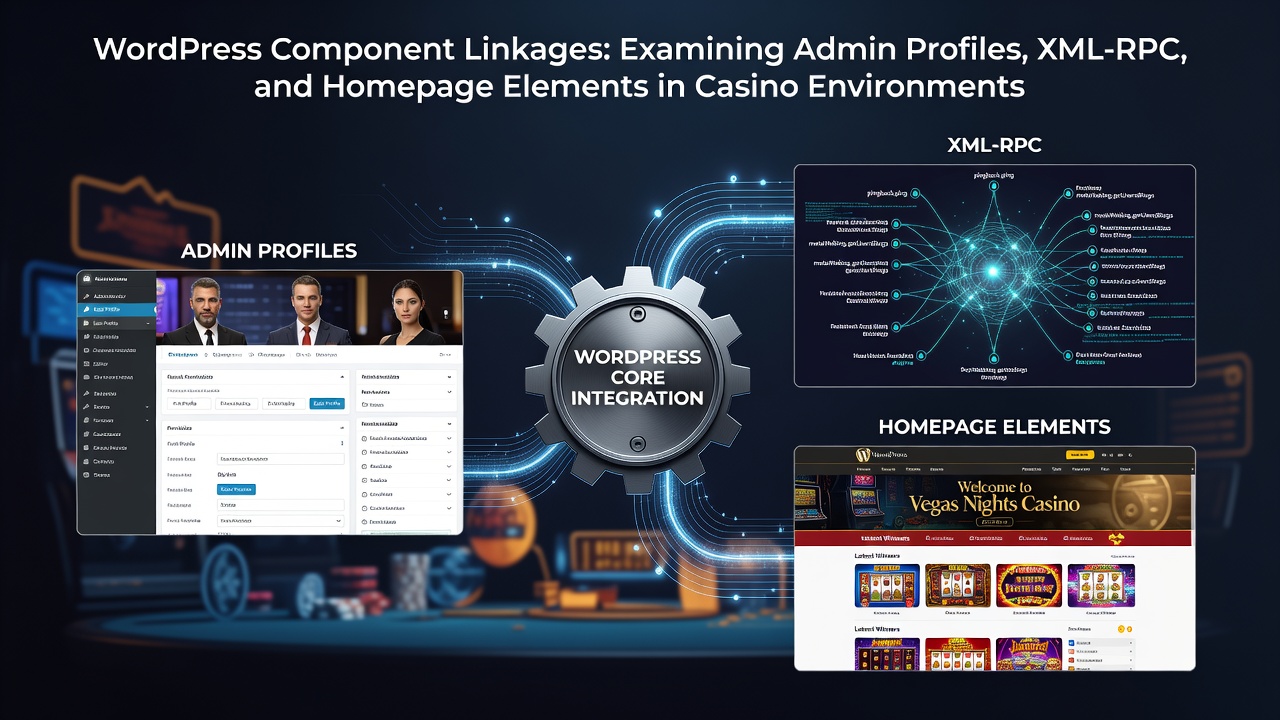
WordPress installations serving casino operations rely on tight connections between user profile management in the admin area, XML-RPC endpoints for remote communication, and the structural elements that shape the public homepage, and these linkages determine how data flows during peak activity periods. Casino sites often handle thousands of concurrent sessions where profile updates must align with authentication requests routed through xml-rpc.php, while homepage elements pull dynamic content that reflects real-time account states.
Profile Data Pathways in Admin Interfaces
Administrators at casino-themed WordPress sites access profile controls through paths such as /wp-admin/profile.php, where fields for contact details, biographical information, and authentication preferences reside; these settings feed directly into session handling mechanisms that XML-RPC calls later reference during remote procedure executions. When a profile change occurs, the system records the update in the database, and subsequent XML-RPC requests can retrieve or modify the same records without requiring a full browser session. Observers note that casino operators frequently configure profile synchronization rules so that timezone selections and display name preferences propagate consistently across both admin dashboards and remote API interactions.
Data from regulatory filings shows that platforms operating in multiple jurisdictions adjust these profile linkages to comply with varying clock standards, and such adjustments become especially relevant when traffic patterns shift in early summer months like June 2026. The connections extend further because homepage widgets often reference user profile metadata to personalize content blocks, creating a chain where an admin-level edit influences both backend XML-RPC responses and front-end rendering.
XML-RPC Endpoints and Their Ties to User Records
The xml-rpc.php file serves as the primary gateway for remote procedure calls on WordPress casino deployments, allowing external tools to authenticate users and retrieve account information without direct database access. Researchers have documented that XML-RPC performance depends on profile configuration values such as password policies and role assignments, since each incoming request validates credentials against the same user tables that admin profiles manage. When an endpoint receives a method call for content retrieval or user verification, the system cross-checks profile fields including email confirmation status and capability flags before returning data to the caller.
Industry reports indicate that high-volume casino sites disable unnecessary XML-RPC methods to reduce attack surfaces, yet they retain specific functions that support profile synchronization across distributed server clusters. These retained functions create measurable linkages because homepage elements frequently rely on cached XML-RPC results to display personalized navigation or account summaries without triggering additional database queries during peak load.
Homepage Elements Drawing from Shared Components
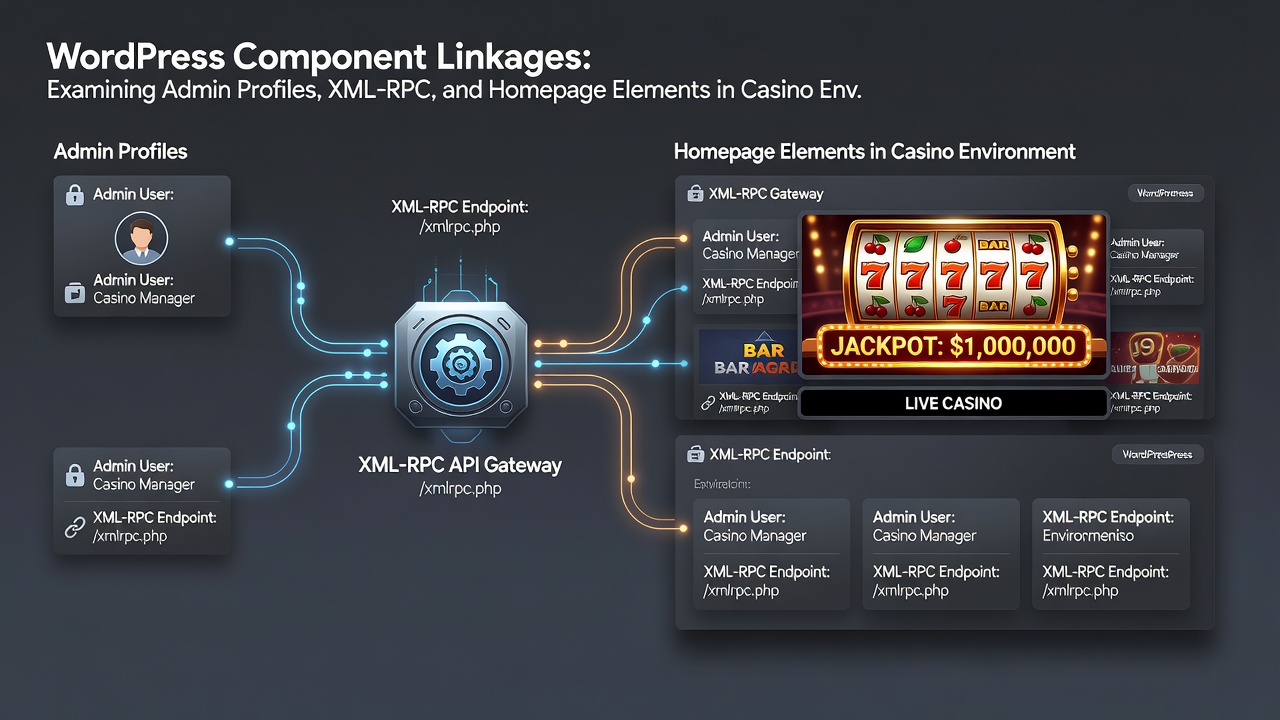
Front-end homepage structures on casino WordPress sites incorporate dynamic blocks that reference both profile data and XML-RPC outputs to present live game listings or user-specific promotions. Template files pull metadata stored in user profiles while simultaneously querying cached responses from xml-rpc.php to populate sections such as recent activity feeds or loyalty point displays. According to configuration analyses conducted by gaming technology providers, misalignment between profile timezone settings and XML-RPC timestamp handling can produce display errors on homepages when international visitors access the site.
Those who maintain casino platforms report that homepage caching layers often store results derived from XML-RPC calls that originated from profile-verified sessions, creating a dependency loop that requires coordinated updates across all three areas during maintenance windows. In June 2026, several operators adjusted these linkages ahead of anticipated traffic increases tied to seasonal events, ensuring that profile modifications propagated correctly through remote endpoints to homepage elements without introducing latency.
Security and Performance Interdependencies
Authentication protocols within XML-RPC leverage profile-stored credentials, and any policy change made through the admin interface immediately affects remote access permissions for automated scripts used by casino affiliates or analytics partners. Performance metrics collected by server monitoring services reveal that homepage load times correlate directly with the efficiency of XML-RPC responses, which in turn depend on how cleanly profile data is indexed in the underlying database. Casino environments therefore implement role-based restrictions at the profile level to limit which XML-RPC methods can be invoked, thereby protecting homepage content from unauthorized data pulls.
Regulatory updates from bodies such as the Nevada Gaming Control Board emphasize the need for auditable trails that span profile edits, remote procedure logs, and public-facing page renders. These requirements have prompted developers to add custom hooks that log every cross-component interaction, allowing operators to trace how a single profile update travels through XML-RPC and ultimately appears on the homepage.
Conclusion
The interplay among admin profiles, XML-RPC endpoints, and homepage elements forms a closed system in WordPress casino deployments where changes in one area produce predictable effects in the others. Proper configuration of these linkages supports consistent user experiences across time zones and traffic volumes while meeting data integrity standards required by oversight agencies. Operators who map these connections explicitly can maintain reliable performance as site demands evolve.