31 May 2026
Las Vegas Visitor Figures Reveal Modest April Decline While Room Rates Reach New Highs

Las Vegas recorded 3.27 million visitors during April 2026 according to data released by the Las Vegas Convention and Visitors Authority, a figure that marks a 1.8 percent drop compared with the same month in 2025; year-to-date visitation through the first four months stands 0.2 percent below the prior year's pace. Observers note that these totals reflect continued strong absolute numbers even as growth slows from earlier peaks, and analysts point to seasonal patterns plus shifting event calendars as key factors shaping the results.
Hotel Performance Shows Mixed Signals
Hotel occupancy reached 83.1 percent for the month, down 1.5 percentage points from April 2025, while the average daily room rate climbed to a new monthly record of $190.41; revenue per available room therefore held steady despite softer occupancy because the higher rates offset the decline in filled rooms. Data from the same report indicate that properties across the Strip and downtown contributed to this rate achievement, and those monitoring the market note that demand from higher-spending segments helped support pricing even as total arrivals eased.
Key Metrics at a Glance
- April 2026 visitation: 3.27 million guests
- Year-over-year change: minus 1.8 percent
- Year-to-date change: minus 0.2 percent
- Hotel occupancy: 83.1 percent (down 1.5 points)
- Average daily rate: $190.41 (new monthly record)
Analysts expect visitation to rebound across May, June, and July 2026, citing major upcoming events including the FIFA World Cup matches scheduled for the region and new resort packages designed to attract both leisure and group travelers; those projections appear in the same LVCVA-derived summary and rest on advance bookings already visible in the system. Because the World Cup brings international audiences and extended stays, observers anticipate that the summer months will post stronger arrival counts than April delivered.
Context Behind the Numbers
The April decline arrives after several years of robust post-pandemic recovery, yet the absolute visitor count remains well above pre-2020 levels; researchers tracking long-term trends observe that monthly fluctuations of one to three percent occur regularly and often correct quickly when large-scale events enter the calendar. The record average daily rate, meanwhile, underscores sustained willingness among visitors to pay premium prices for accommodations, a pattern that has held through multiple quarters according to the same dataset.
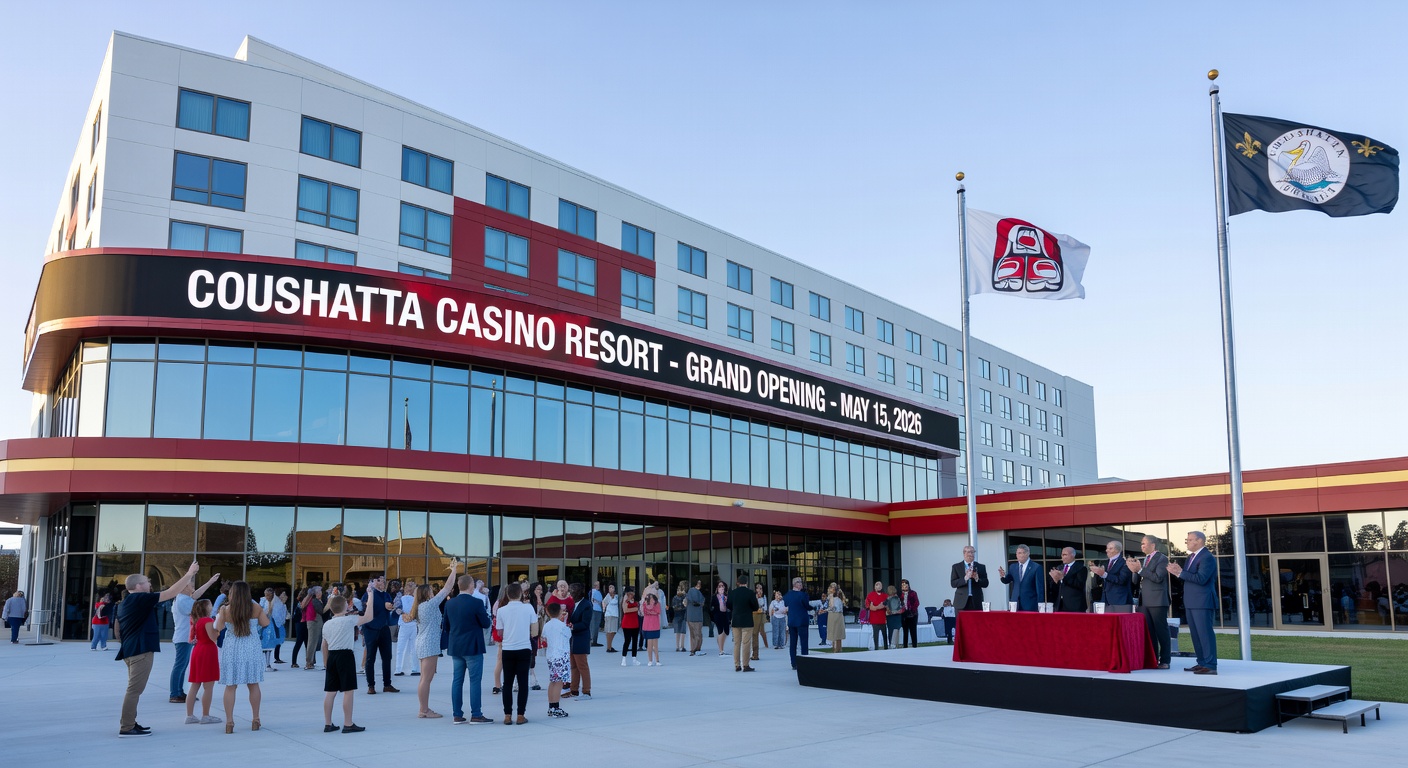
Resort operators have responded with targeted packages that bundle rooms, dining credits, and entertainment access, and these offerings are already influencing forward-looking occupancy forecasts for the coming quarter. While April itself showed softer occupancy, the rate environment remained supportive, which suggests that revenue streams tied to rooms stayed resilient even as total guest counts moderated slightly.
Looking Ahead to Summer Events
With the World Cup approaching, hoteliers and the LVCVA have coordinated messaging around special experiences that pair match tickets with resort stays, and early indicators point to elevated booking velocity for May through July; the same analysts who compiled the April figures note that similar event-driven periods have historically produced double-digit gains in both visitation and room revenue. Those monitoring international arrivals expect the tournament to draw significant numbers from overseas markets that have already demonstrated strong interest in Las Vegas as a destination.
Year-to-date figures remain nearly flat because earlier months largely offset April's modest shortfall, and the overall trajectory continues to align with long-range growth assumptions embedded in the authority's planning models. Data released alongside the April report emphasize that the destination's core appeal, measured by both leisure and business travel segments, continues to support steady performance across the broader calendar year.
Conclusion
The April 2026 statistics illustrate a market that maintains high absolute visitor volumes and record room rates even while registering a small year-over-year dip in arrivals and occupancy; the anticipated summer rebound tied to the World Cup and packaged promotions offers a clear pathway for the destination to regain momentum. Those following the data will watch how the combination of global events and operator initiatives translates into measurable gains across the next quarter, with the current report serving as the baseline for those comparisons.