14 Jun 2026
Protecting User Data in Gaming Systems by Linking Installation Processes with Endpoint Protections
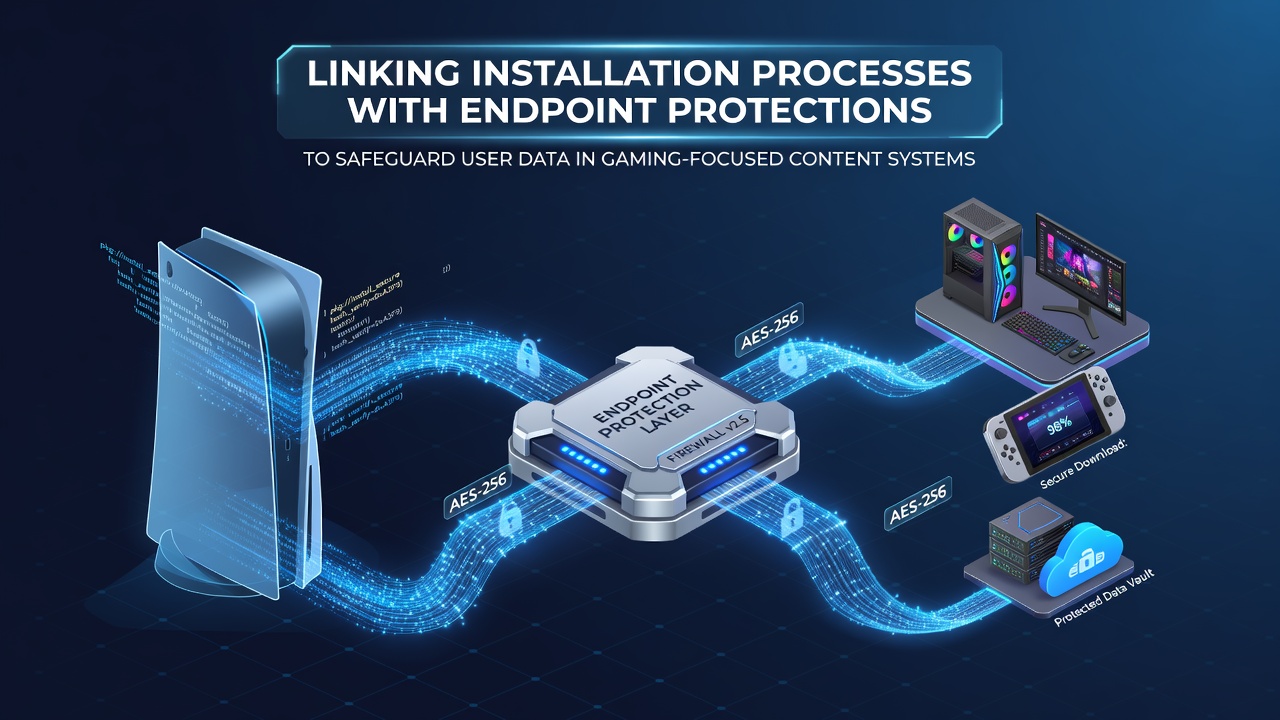
Installation procedures in gaming-focused content systems establish the initial framework for data handling, and when these steps connect directly with endpoint protections, user information gains layered defenses from the outset. Researchers have observed that gaming platforms often process large volumes of personal and financial details during user registrations, in-game purchases, and profile updates, which makes early integration of security measures essential. Data from industry reports indicates that systems deployed with synchronized installation and endpoint protocols experience fewer initial vulnerabilities compared to those configured separately.
Core Elements of Installation in Gaming Content Environments
Installation workflows for gaming content systems typically involve setting up servers, configuring databases, and deploying content management tools that support interactive features such as leaderboards and virtual economies. These processes require careful sequencing so that security parameters activate before any user data enters the environment. Observers note that administrators who align installation scripts with endpoint agents create checkpoints that verify device compliance right at deployment. This approach reduces exposure windows because each component installs with predefined access controls and monitoring hooks already in place.
Studies conducted by academic institutions show that gaming platforms handling international audiences benefit when installation routines include automated checks for operating system versions and patch levels. Such checks prevent legacy software from serving as entry points. In June 2026, several major gaming networks updated their deployment guidelines to require endpoint verification during every fresh installation cycle, reflecting broader industry shifts toward proactive safeguards.
Endpoint Protection Mechanisms and Their Role
Endpoint protections encompass antivirus engines, behavioral analytics, and device encryption that monitor activity at individual access points. When linked to installation processes, these tools receive configuration data directly from setup routines, which allows consistent policy application across all nodes. Evidence suggests that unified configurations limit the chance of mismatched settings that could leave gaps in coverage. Gaming systems benefit particularly because players often connect from varied devices, including mobile units and consoles, each presenting distinct risk profiles.
According to findings published by the National Institute of Standards and Technology, organizations that embed endpoint policies into installation templates achieve measurable reductions in unauthorized access attempts. The same research highlights that gaming environments, which rely on real-time data exchanges, gain stability when protections activate during the initial setup rather than after content goes live.
Synergies Between Installation and Endpoint Layers

Linking installation with endpoint defenses creates continuous validation loops where each new module or update passes through security filters before becoming operational. This connection supports automatic propagation of threat intelligence gathered at endpoints back into future installation packages. Those who manage large gaming libraries report that such feedback mechanisms help adapt protections to emerging attack patterns without requiring full system rebuilds.
Industry associations tracking digital entertainment sectors have documented cases where synchronized approaches prevented data leaks during peak traffic periods, such as major game launches. The process works because installation scripts can query endpoint status in real time and halt deployment if anomalies appear. This method maintains operational continuity while upholding strict data handling standards across distributed networks.
Implementation Practices Observed in Gaming Platforms
Administrators often begin by mapping all data touchpoints during the planning phase of installation, then assign corresponding endpoint rules to each point. Configuration files generated at setup time include encryption keys and access lists that endpoints enforce immediately upon activation. Research indicates that platforms using this method record lower incident rates because initial exposure remains minimal. Training materials from various regulatory bodies emphasize documentation of these linkages so that subsequent updates preserve the established security posture.
Examples from North American and European gaming operators illustrate how phased rollouts incorporate endpoint testing at every installation stage. Teams verify that mobile endpoints receive the same policy sets as desktop installations, which ensures uniform protection regardless of access method. Such consistency proves valuable when content systems expand to new regions or device types.
Conclusion
Linking installation processes with endpoint protections forms a cohesive strategy that addresses user data safety from the first deployment step onward in gaming-focused content systems. Available data and documented practices confirm that coordinated implementation reduces vulnerability windows and supports consistent policy enforcement across diverse environments. As gaming platforms continue to evolve, these integrated methods provide a factual basis for maintaining secure operations amid increasing data volumes and device variety.