7 Jun 2026
Timezone Alignments Shaping Secure Data Exchanges Across Gaming Site Administration Panels
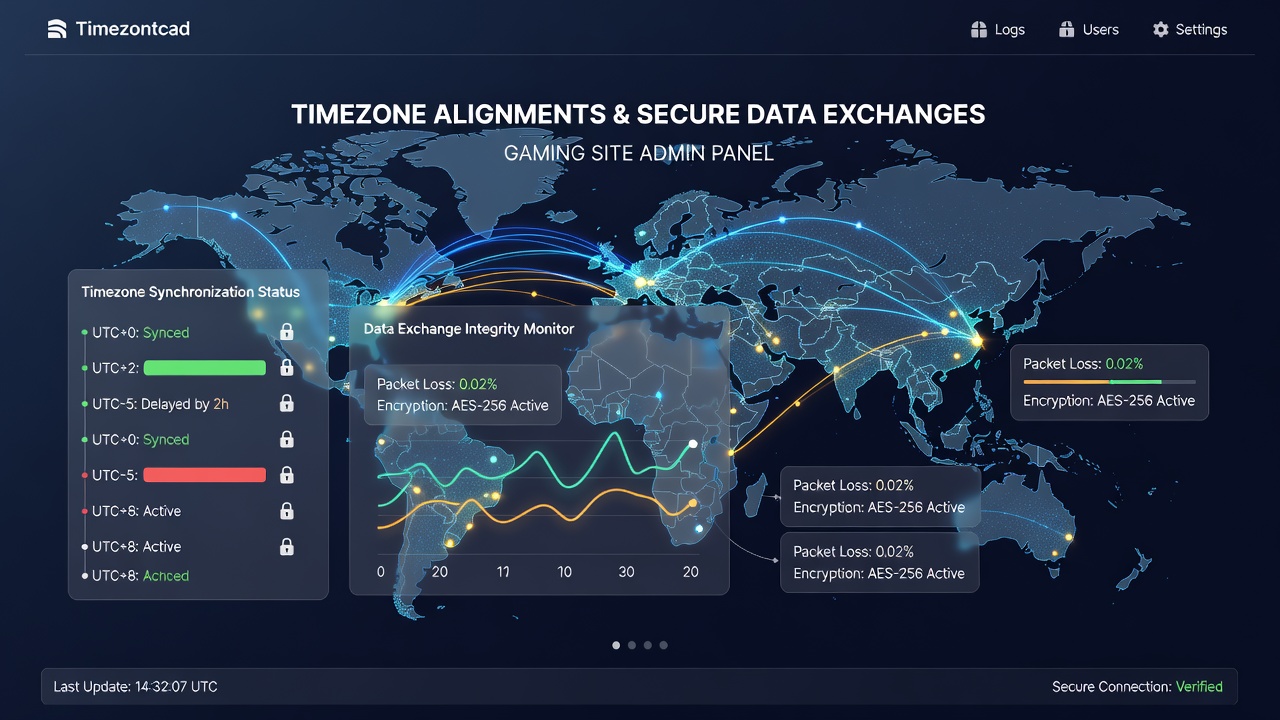
Administrators managing gaming platforms face constant demands to maintain precise coordination across distributed systems, and timezone alignments play a direct role in how data exchanges remain protected during transmission between servers and user interfaces. When clocks drift out of sync, authentication tokens can expire prematurely or overlap incorrectly, creating windows where encrypted sessions lose their intended validity periods. Research from cybersecurity institutes shows that mismatched timestamps often trigger false positives in intrusion detection systems, forcing administrators to review logs that span multiple regions simultaneously.
Core Mechanisms Behind Timezone Effects on Data Security
Secure data exchanges in administration panels rely on synchronized timestamps to validate API requests, log entries, and certificate renewals, while differences in regional time settings introduce discrepancies that affect encryption handshakes and session management protocols. Observers note that systems configured for a single primary timezone, such as UTC, still encounter issues when remote administrators connect from locations several hours offset, leading to inconsistencies in how audit trails record access events. Data indicates these misalignments can delay the detection of anomalous patterns because sequence reconstruction becomes more complex when entries appear out of chronological order across global nodes.
Studies conducted by academic research groups have examined how daylight saving transitions compound these challenges, particularly when one jurisdiction shifts clocks forward while another remains unchanged. In such scenarios, automated scripts handling secure file transfers may interpret the same event as occurring twice or not at all, which disrupts the integrity checks built into protocols like TLS. Those who've analyzed large-scale gaming networks report that consistent application of Coordinated Universal Time across all panel components reduces these errors, yet legacy integrations with third-party payment processors sometimes default to local time without warning administrators of the change.
Regulatory Context and June 2026 Developments
During June 2026, several oversight agencies issued guidance emphasizing the need for documented timezone policies in environments handling sensitive player information, highlighting cases where unsynchronized clocks contributed to compliance reporting delays. The Nevada Gaming Control Board published findings that connected accurate time coordination with improved traceability of transaction records, noting that panels operating without centralized synchronization experienced higher rates of reconciliation discrepancies. Meanwhile, reports from the Australian Communications and Media Authority outlined similar observations for operators managing cross-border data flows, where timezone offsets directly influenced the timing of mandatory security audits.
These updates arrived alongside broader discussions on risk assessment frameworks that treat time synchronization as a foundational control rather than an optional setting. Administrators reviewing their configurations around this period found that implementing automated NTP servers with redundant sources helped maintain alignment even during network partitions, preserving the reliability of encrypted exchanges between administration interfaces and backend databases.
Technical Configurations and Observed Outcomes
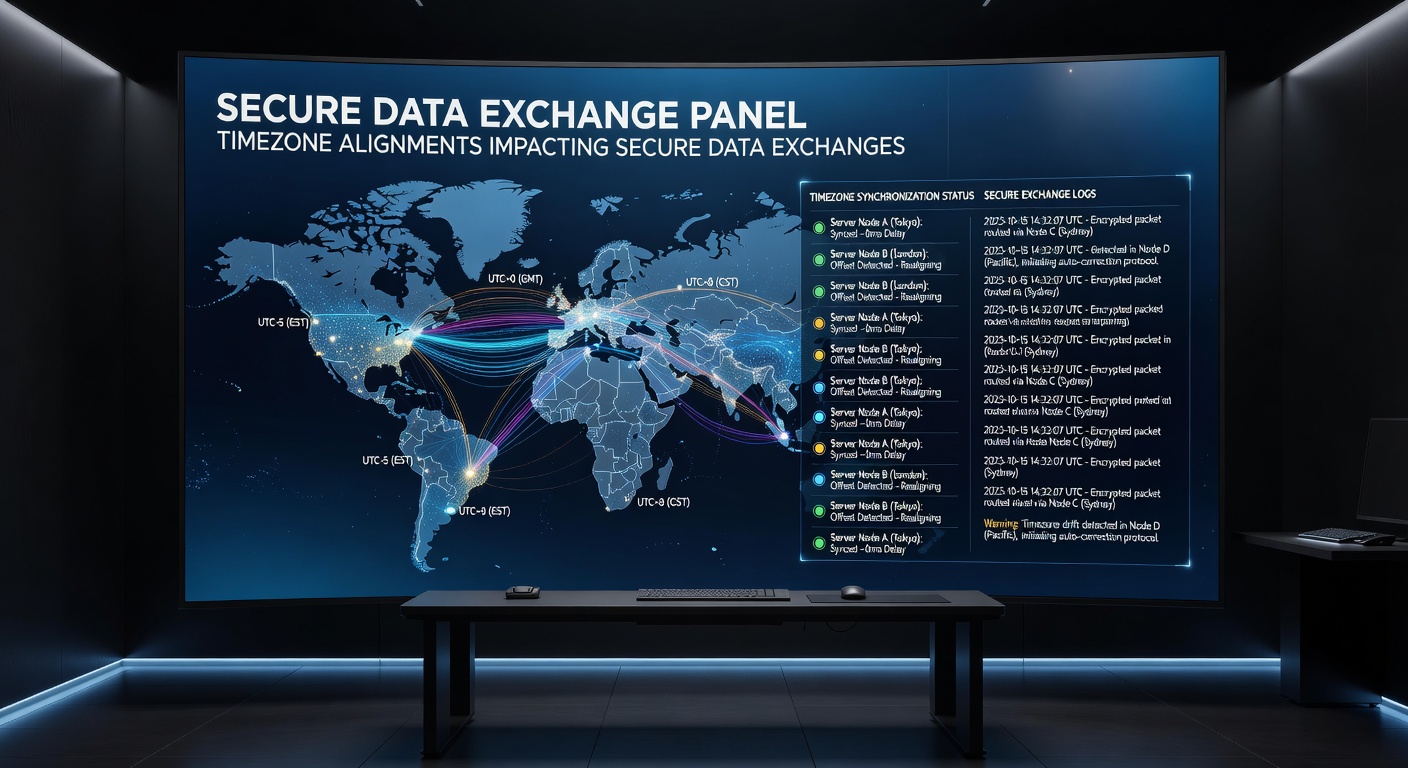
Practical implementations often involve setting server-level timezone variables to UTC while allowing individual user profiles to display localized times for operational convenience, a balance that maintains log consistency without sacrificing usability. Experts have observed that when administration panels connect to remote services through XML-based endpoints, the inclusion of explicit timezone offsets in each request header prevents parsing errors that could otherwise expose timing vulnerabilities. One documented approach includes embedding timezone metadata directly into session tokens, enabling receiving systems to normalize timestamps before performing security validations such as replay attack checks.
Industry reports reveal that organizations adopting these methods recorded measurable reductions in failed authentication attempts attributed to clock skew, particularly in high-volume environments where thousands of concurrent admin sessions occur daily. Yet the process requires ongoing monitoring because third-party plugins or custom scripts may override global settings without notification, reintroducing drift over time. Those managing multi-site deployments frequently establish centralized dashboards that poll connected nodes for their current timezone status, allowing proactive correction before exchanges are compromised.
Integration Challenges with Existing Systems
Legacy components within gaming administration setups sometimes store time data in formats that lack timezone information altogether, forcing conversion layers to make assumptions that vary by implementation. Research indicates these gaps become especially problematic during data migrations or when integrating newer security modules designed around strict ISO 8601 compliance. Observers have tracked instances where such assumptions led to duplicated transaction records appearing in audit exports, complicating forensic reviews that depend on precise chronological ordering.
Coordinated efforts between development teams and compliance officers have produced configuration templates that enforce timezone declarations at the database schema level, ensuring every entry carries its originating offset. This practice supports smoother reconciliation across regions and aligns with emerging standards that prioritize verifiable time sources in regulated sectors. Data from multiple deployments shows that once these templates are applied, the frequency of security-related incidents tied to timing errors declines noticeably within the first quarter of operation.
Conclusion
Timezone alignments continue to intersect with the operational security of gaming site administration panels through their influence on authentication timing, log accuracy, and encrypted data validation processes. As regulatory expectations evolve and technical environments grow more interconnected, consistent synchronization practices remain essential for preserving the integrity of exchanges across distributed systems. Administrators who prioritize centralized time sources and explicit offset handling position their platforms to meet both current compliance requirements and future demands for reliable, auditable data flows.